Temporary Heimatmuseum
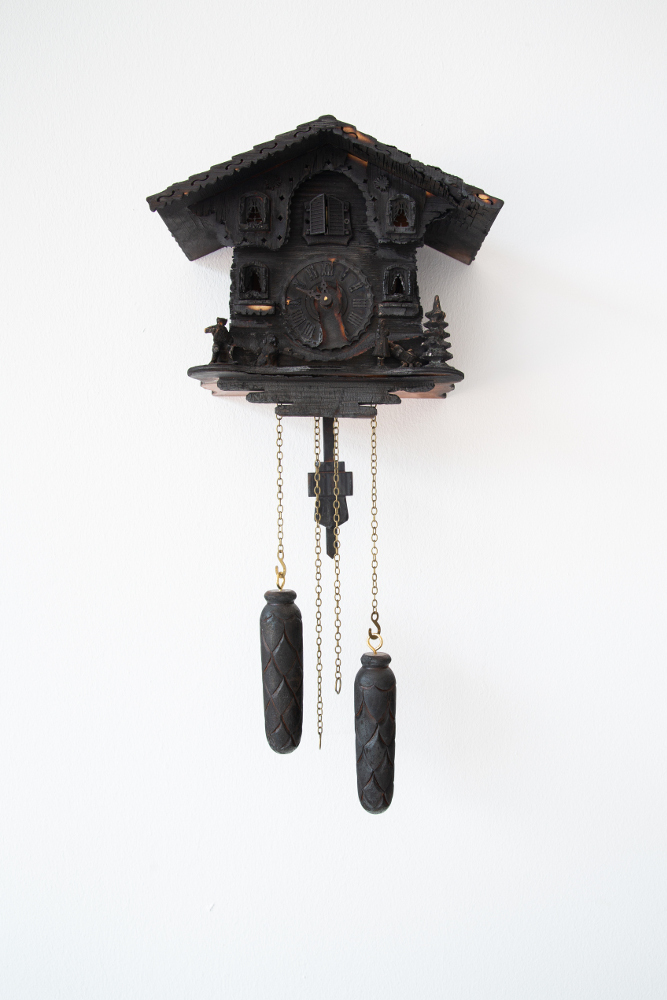
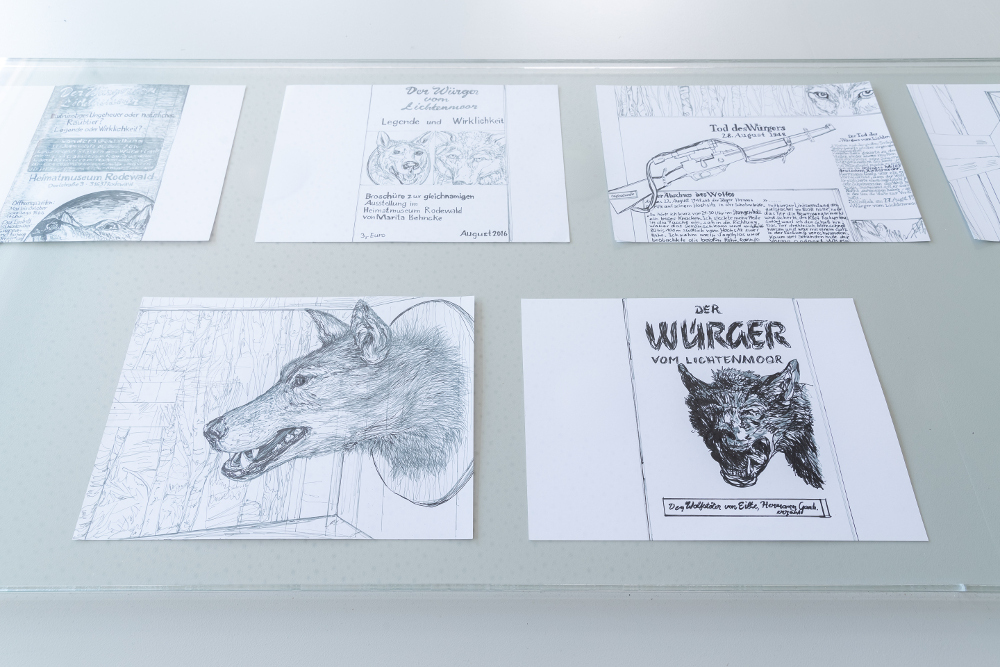
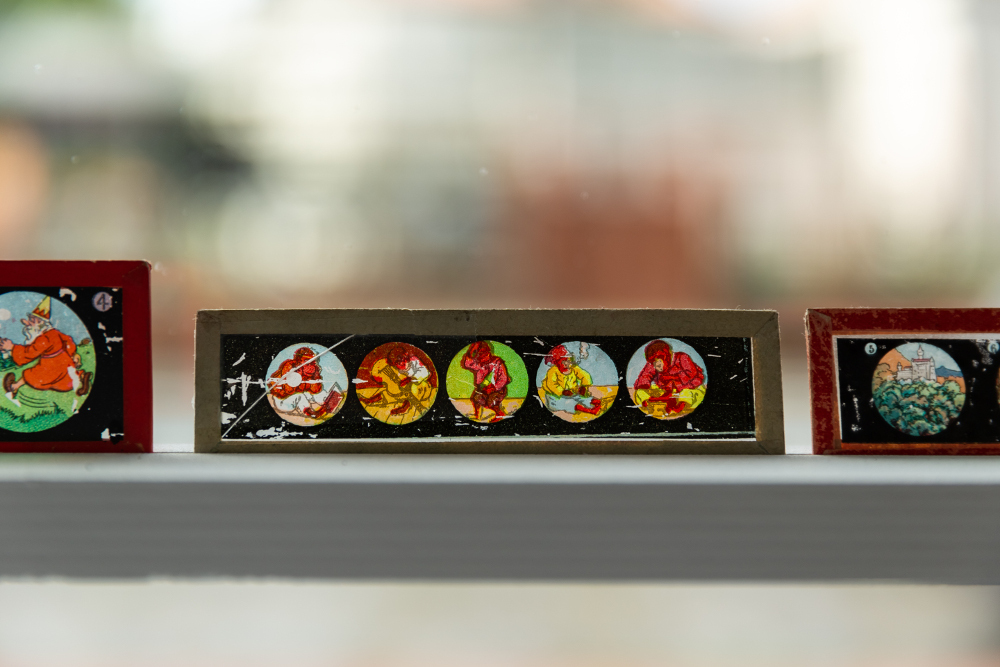
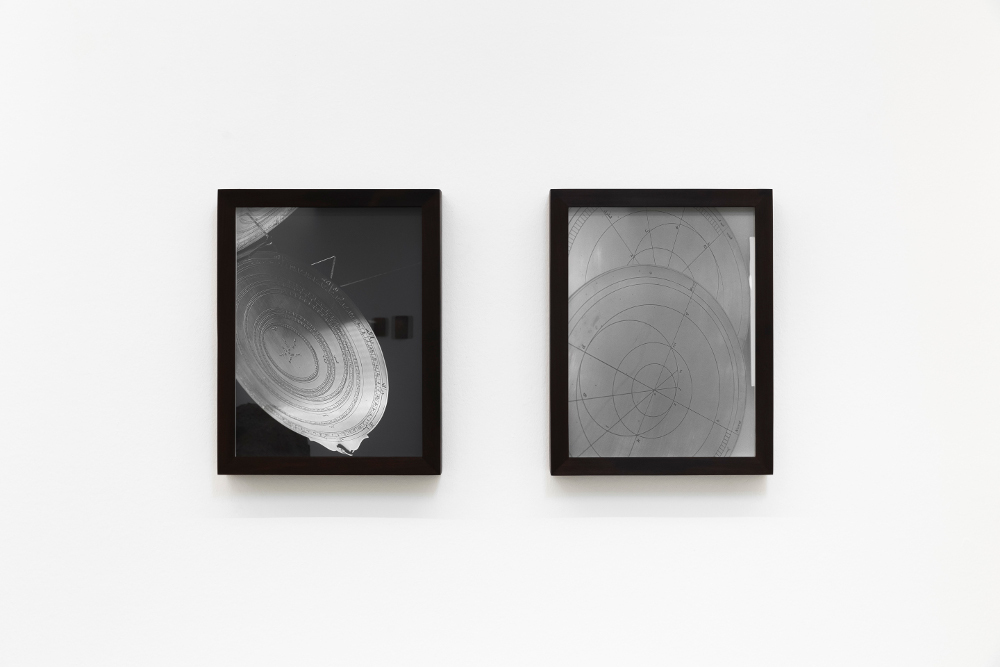
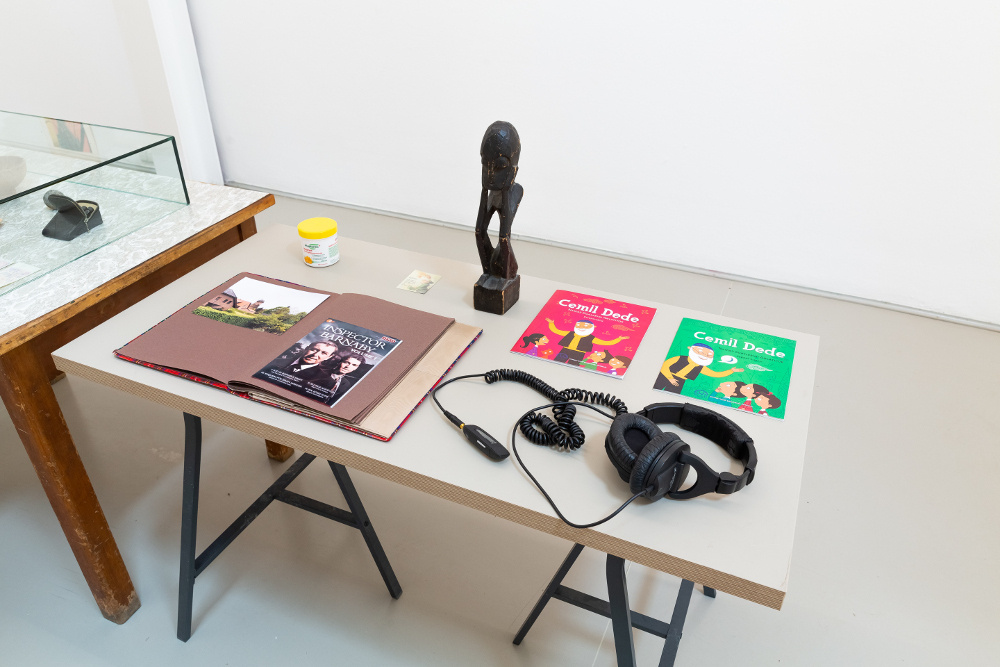
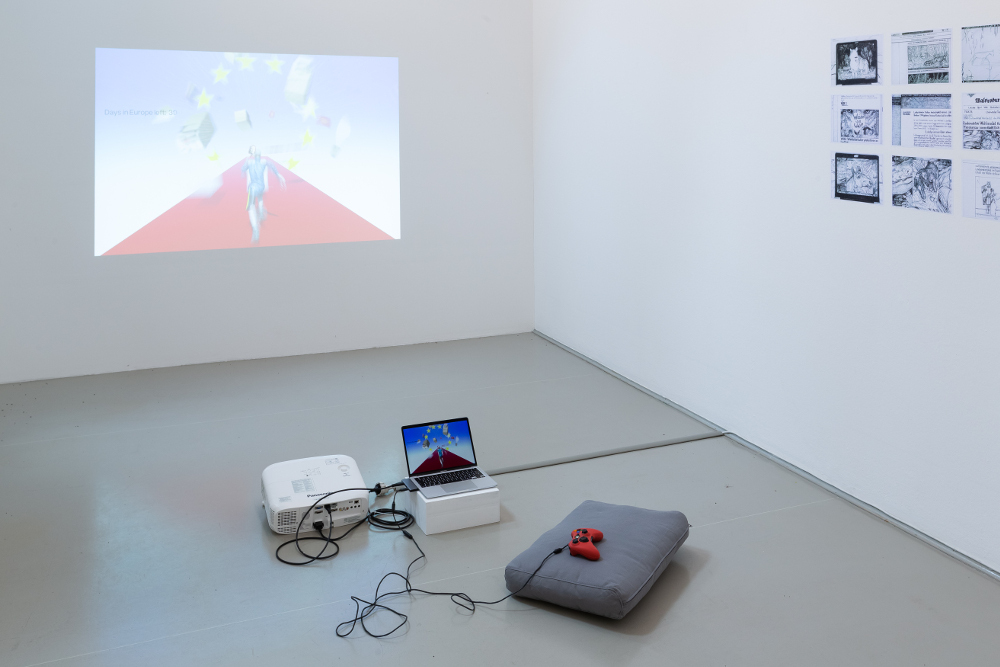
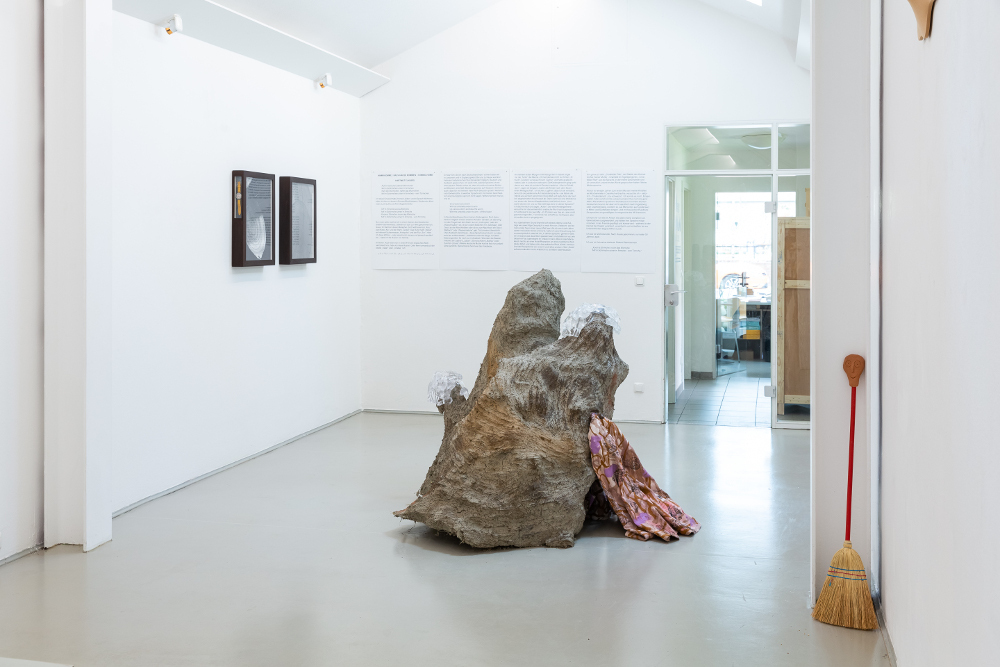
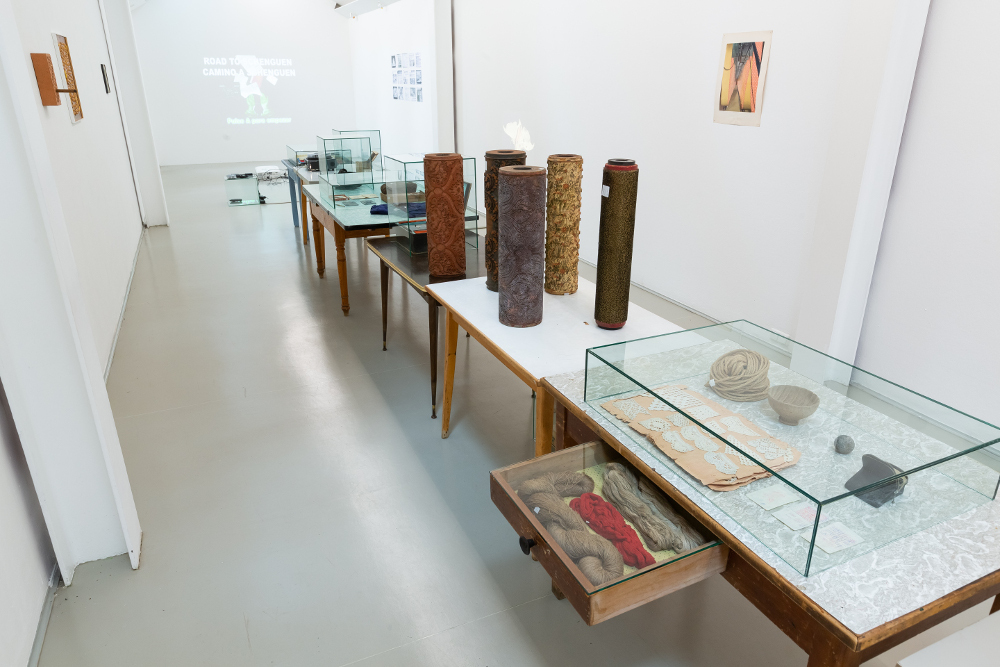
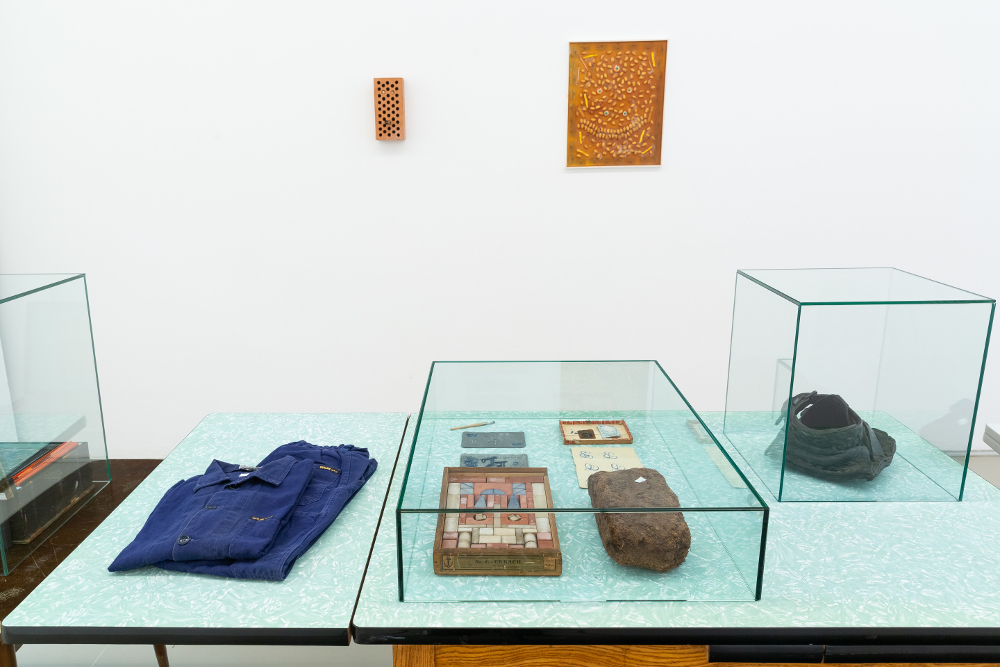
New and existing works by Aurélie Ferruel & Florentine Guédon, Viola Yeşiltaç, Salim Bayri, Julia Schmid, Hartmut El Kurdi and Beni Bischof are presented alongside objects from the city archive Langenhagen and interventions by pupils from the IGS Langenhagen.
In early summer 2021 Kunstverein Langenhagen will transform into a temporary often emphasize specific aspects of a certain demographic). With the exhibition Temporary Heimatmuseum, we ask what a local history museum can be and, related to that, how the term Heimat is used. Instead of looking to emphasise what is innate in our local population, we examine the very diversity innate within it.
During migration houses and homes are often abandoned. Does this mean that the particular thing called Heimat {the collection of characteristics like culture, language, neighbourhood, relationships of a certain area} is also lost irretrievably? Or, can Heimat be a flexible concept with the feeling of “being at home” not tied to any specific geographical or familial bonds but more to other factors such as security, the possibility for exchange, personal development and so on? Within this exhibition project we work with the hypothesis that Heimat is not something static with the danger of getting lost, but instead something dynamic, with the potential to be further developed or completely reinvented.
In Germany, the term Heimat - and therefore identity - is not only used in a problematic way by populist right wing parties - “Everyone who wants to sustain Heimat, elects the AfD” - it also has its role in moderate political discourse. Think for example of the “Leitkulturdebatte”, beginning in the year 2000 with statements made by Friedrich Merz against multiculturalism. This debate focused on the difference between assimilation and integration as well as majorities and minorities. In the exhibition Temporary Heimatmuseum we want to respond to current debates as well as historical experiences such as the so-called “Heimatvertreibung” {the case of German expellees} during and after the second world war. In these times Hanover was a sanctuary for many displaced people (a census from 1955 reports one in four people had a fugitive background). Langenhagen itself actually grew for a large part due to different migration and fugitive movements. Still today local associations and groups dealing with the topics of involuntary migration and Heimat meet regularly. There was even the ambition to establish a Heimatmuseum in Langenhagen. An extensive collection consisting of more than 500 objects was gathered; objects that were deemed valuable, telling, typical or representative of Langenhagen by people from Langenhagen. These ambitions were never realised and the collection was eventually transferred to the city archive where it remains to this day. However, the working group ‘The whole of Langenhagen is a museum’ has became active in 2011. Since then, they have published their research on memorable locations, buildings and stories on more than 70 signposts within the city.
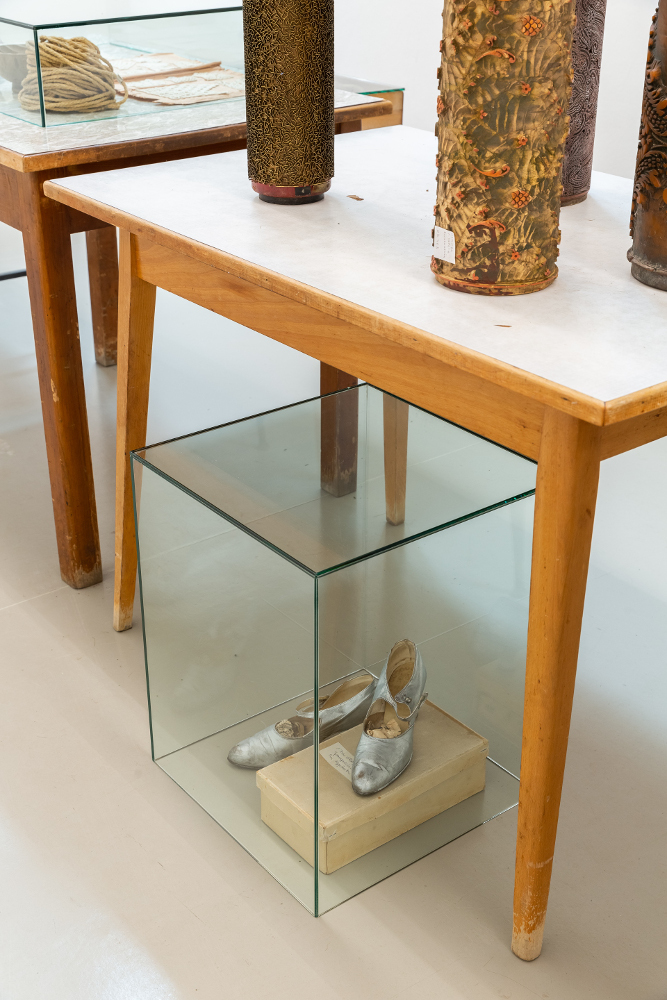
We have invited various artists to create new pieces especially for the exhibition and others to show already existing works. Some of the artists are (or have been) located in the Hanover region, some live and work in other places and contexts. Several objects from the city archive collection also feature in the exhibition. Throughout the duration of the show pupils from the IGS Langenhagen will intervene in the exhibition with their own ideas and objects (as part of the art education project ‘Where is heimat?’).
As Kunstverein, our question to those we invited was not to orient themselves only to Langenhagen or to develop works that deal specifically with the local context, history and peculiarities of this German city. Instead, in their work, the participating artists deal in a variety of ways with understandings of Heimat and identity. They do this by using archetypes and questioning local symbols, kitsch and clichés. They also deal with what is considered strange and unwanted. In their various works, immigration is taken up as a continuous movement in which the own and the foreign are constantly redefined.
Due to the current situation and the unplannability of events, event dates are currently only announced at short notice via our digital channels (newsletter, Facebook, Instagram).
This project is supported by:
*Die Region Hannover
*Niedersächsische Sparkassenstiftung
*Sparkasse Hannover
*Botschaft des Königreichs der Niederlande
*Bureau des arts plastiques des Institut français Deutschland und des französischen Kulturministeriums
*Pro Helvetia
The education project is supported by:
*Fonds „Miteinander – Gemeinsam für Integration“ der Region Hannover
*VGH Stiftung
Planned events:
*Nearby professions #15: Entrümpeler
*Several artist conversations
*Pre-negotiations with Beatrice von Bismarck
*Series of Film evenings in cooperation with Kino im Sprengel
*Wo ist Heimat? – Education project with pupils of IGS Langenhagen
*Bulletin #13
*Performance by Aurélie Ferruel and Florentine Guédon